A Place to Call Home Celebrates One Year of Impact
What One Year Made Possible.
One year in, and we have learned a lot about what it takes to move from intention to action.
A Place to Call Home was created with a clear belief. Homelessness in Spartanburg County is solvable when we work together across systems, show up consistently, and center people in the process. This community has always cared deeply about this issue. What is shifting is how we approach it. What got us here will not get us there.
Over the past year, that belief has been tested, stretched, and strengthened.
We are keeping our focus on what is possible. If this is an issue created by systems, it is an issue we can solve. Our goal is a community where homelessness is brief, rare, and non-recurring.
This year, we focused on seven initial priority areas to build the foundation for a coordinated, community-wide response to housing instability and homelessness. Over the past year, we have made progress on each of these initiatives.
We began strengthening how information is shared across partners, creating a more connected and coordinated response. What was previously a case conferencing model has been reworked into the Situation Table, allowing partners to come together weekly to respond to individuals experiencing acutely elevated risk in a more immediate and actionable way.
For families, A Way Home launched as the only family shelter within a 50 mile radius of Spartanburg at the time of its opening, providing low-barrier shelter through a rotating model while connecting families to longer-term housing.
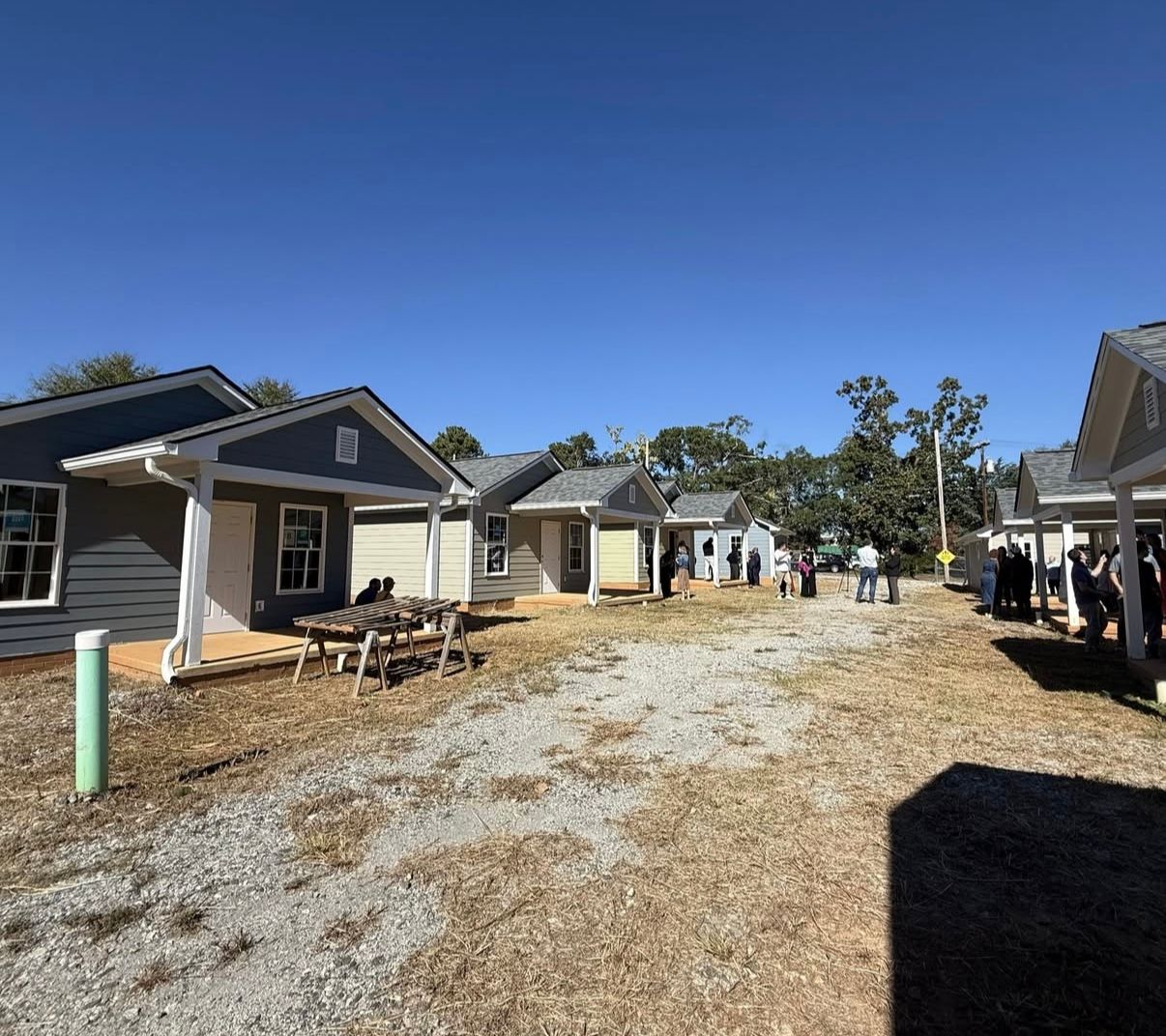
BridgeWay Village has moved from concept to near completion, with programming already underway as we prepare for full opening. At the same time, we expanded staff capacity from a small team to nine, allowing for more consistent coordination across this work. We also established a clear structure through a Leadership Team and Community Advisory Council, creating shared ownership across the community.
That growth has made it possible to build and expand programs across the full housing continuum, including prevention, service, and housing.
Through A Way Home, 18 families were sheltered, providing stability during a critical moment. Through Opening Doors and BridgeWay, 36 households moved into housing with ongoing case management to help those placements last. At the same time, Prevention Assistance helped 25 households maintain their housing and avoid entering homelessness.
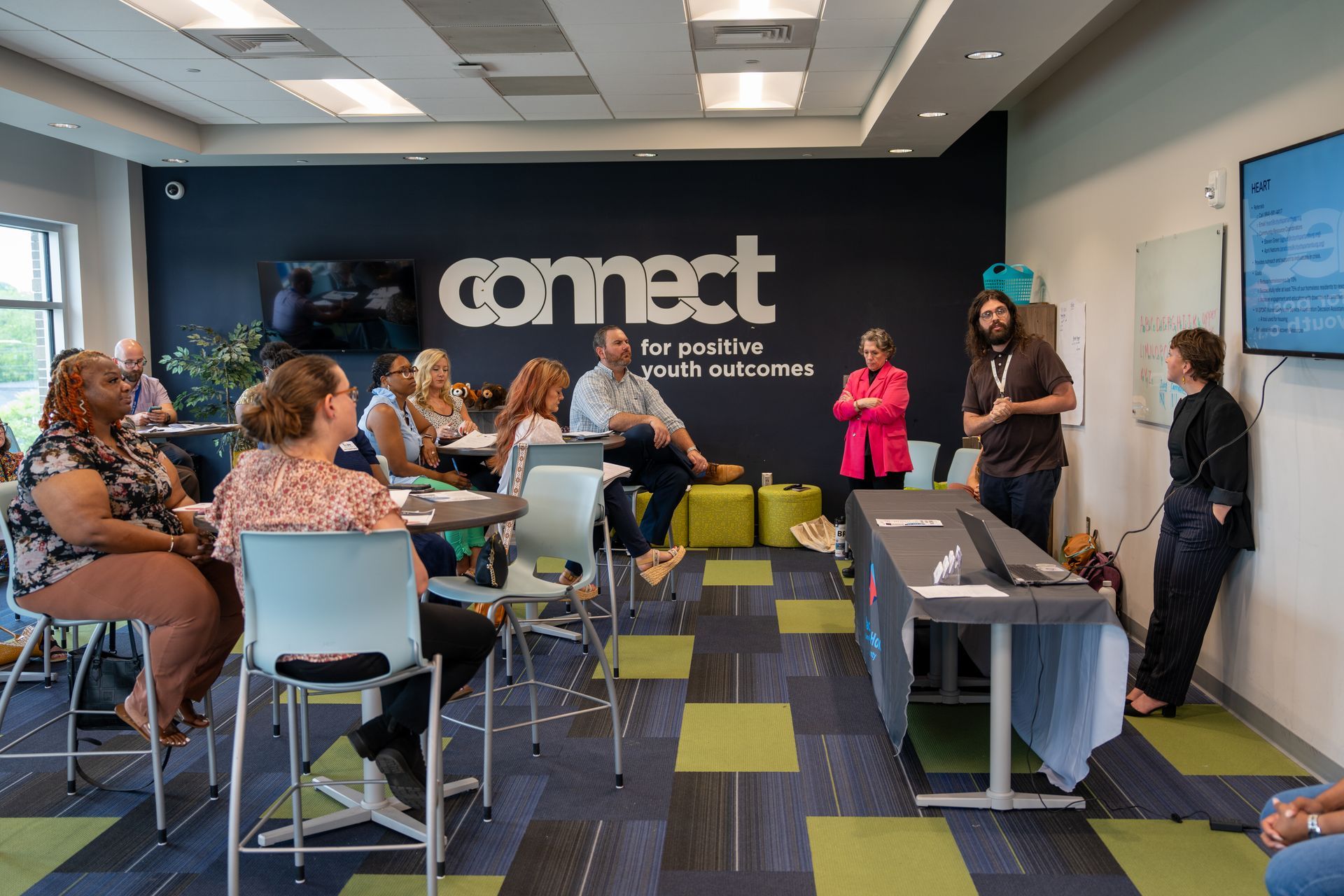
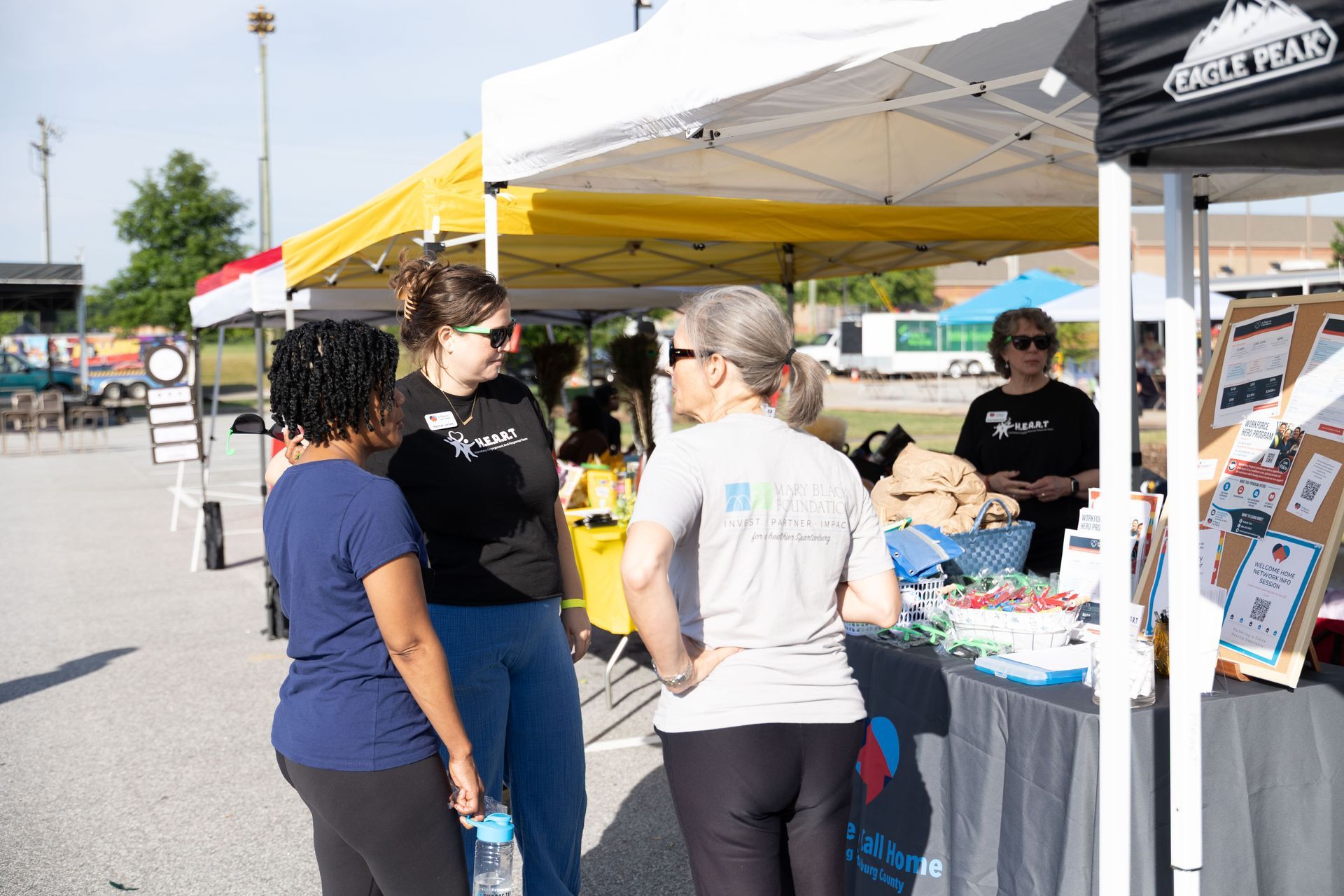
Our HEART team continues to meet people where they are, building relationships over time and connecting individuals to resources. The Situation Table supported 42 individuals experiencing acutely elevated risk by bringing together partners across sectors to respond quickly and collaboratively.
We also saw impact through Homeless Court, with 35 participants working through legal barriers that often stand in the way of housing and employment. Through Litter Heroes, 15 individuals graduated from the program, gaining income, experience, and a pathway forward.
None of this happens in isolation. This year included 109 active partnerships, over 360 thousand dollars in in-kind volunteer hours, and 3.5 million dollars raised to support this work. Together, those efforts contributed to a 20 percent increase in shelter and housing options across the community.
Most importantly, 132 people exited homelessness, and 578 households, representing 1,066 individuals, were served through APTCH programs and partnerships.
The numbers matter, but they do not tell the full story.
What It Looks Like in Practice
Over the past year, one of our neighbors, who we will call James, moved into permanent housing after more than 20 years of living on the streets in downtown Spartanburg. He has now been stably housed since Thanksgiving.
James had been offered housing before. He had stayed in hotels at different points, but each time he returned to the streets. What we have learned is that housing alone is not always enough, especially without trust, consistency, and a sense of belonging.
This time, the approach was different.
Instead of moving directly into a permanent unit, we worked with James to try a temporary apartment placement. It took time. Two different locations did not work before we found a space where he felt safe and could see himself staying. Once he did, something shifted. He settled in, spent more time inside, and began to build a routine.
With support from a local housing partner, we were able to secure a permanent unit for him just down the hall. That transition has now happened, and he remains housed.
James shared that he grew up in the Northside and that some of his best memories are from that part of the community. Being able to return there has made this transition feel like more than housing. It feels like a homecoming.
Throughout this process, APTCH staff worked with him consistently. That included getting him to doctor’s appointments, helping him access groceries, and making sure he had the supplies he needed to take care of his space. His SNAP benefits were reinstated so he can now purchase his own food, and the process for disability income has begun. That process will take time. In the meantime, rent is being covered through grant funding to ensure stability.
This effort did not belong to one person or one program. Every APTCH staff member contributed, along with multiple partner agencies and City departments, working together to respond to his needs.
It is a clear example of what coordinated, persistent, trust-based work can look like and what becomes possible when we take the time to get it right.
This experience reinforced something we see often. This work takes time, but it does not have to take 20 years.
It also reinforces something simple. Dignity matters.
Several years ago, when people living on the streets were asked what they wanted to be called, the answer was clear. They wanted to be called homeless because they did not want just a house. They wanted a home.
That belief is the foundation of A Place to Call Home. It shapes how we show up, how we design programs, and how we define success.
Looking Ahead
This first year has been about building programs, partnerships, trust, and capacity. We have made meaningful progress, but we are still early in the work.
What we know now is that when systems align, people stay at the table, and we remain focused on both immediate needs and long-term change, progress is possible.
We are grateful to everyone who has been part of this first year, and we are continuing forward together in building a community where everyone has a safe, secure place to call home.